Archives
- 2026-07
- 2026-06
- 2026-05
- 2026-04
- 2026-03
- 2026-02
- 2026-01
- 2025-12
- 2025-11
- 2025-10
- 2025-09
- 2025-03
- 2025-02
- 2025-01
- 2024-12
- 2024-11
- 2024-10
- 2024-09
- 2024-08
- 2024-07
- 2024-06
- 2024-05
- 2024-04
- 2024-03
- 2024-02
- 2024-01
- 2023-12
- 2023-11
- 2023-10
- 2023-09
- 2023-08
- 2023-07
- 2023-06
- 2023-05
- 2023-04
- 2023-03
- 2023-02
- 2023-01
- 2022-12
- 2022-11
- 2022-10
- 2022-09
- 2022-08
- 2022-07
- 2022-06
- 2022-05
- 2022-04
- 2022-03
- 2022-02
- 2022-01
- 2021-12
- 2021-11
- 2021-10
- 2021-09
- 2021-08
- 2021-07
- 2021-06
- 2021-05
- 2021-04
- 2021-03
- 2021-02
- 2021-01
- 2020-12
- 2020-11
- 2020-10
- 2020-09
- 2020-08
- 2020-07
- 2020-06
- 2020-05
- 2020-04
- 2020-03
- 2020-02
- 2020-01
- 2019-12
- 2019-11
- 2019-10
- 2019-09
- 2019-08
- 2019-07
- 2019-06
- 2019-05
- 2019-04
- 2018-07
-
The levels of circulating pro inflammatory cytokines are mar
2021-01-26
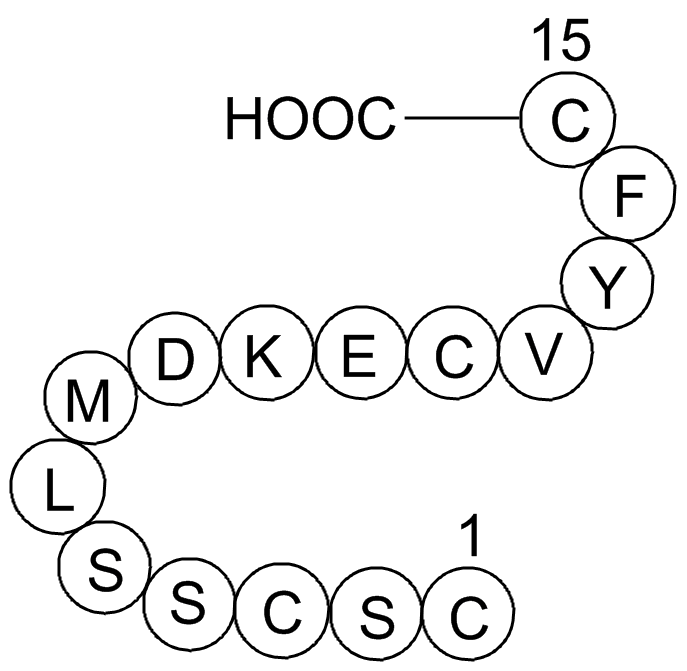
The levels of circulating pro-inflammatory cytokines are markedly elevated in ESRD, and have been speculated to play an important role as causative factors in a number of uremic complications [37]. The impairment of phagocyte functions and deregulated cytokine productions are highly prevalent in CRF
-
br Deregulation of CDK Many neurotoxic or
2021-01-26
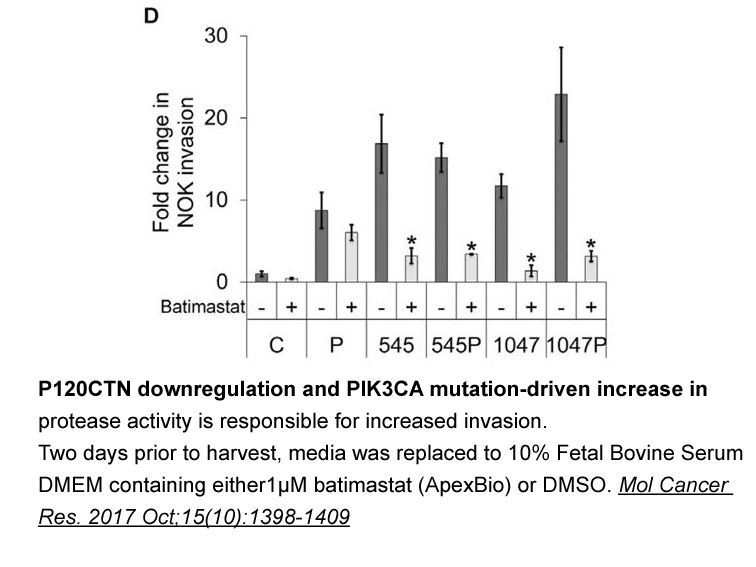
Deregulation of CDK5 Many neurotoxic or stress conditions like ischemic Tirofiban hydrochloride monohydrate damage, oxidative stress, mitochondrial dysfunctions, excitotoxicity, Aβ exposure lead to disruption of the tight regulation of Cdk5 (De Strooper et al., 2010). Calpain-mediated cleavage o
-
The causes of POD are complex
2021-01-26
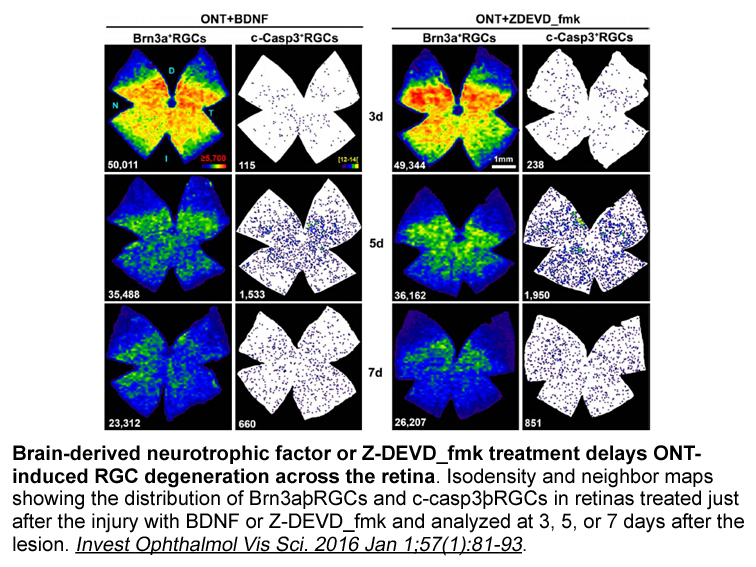
The causes of POD are complex, and not entirely clear. Androsova et al, believed that the main molecular mechanism of POD is a central cholinergic deficiency caused by deregulation of cholinergic anti-inflammatory pathways leading to increased inflammation. The cholinergic anti-inflammatory pathway,
-
This review aims to examine the literature on chloride
2021-01-26
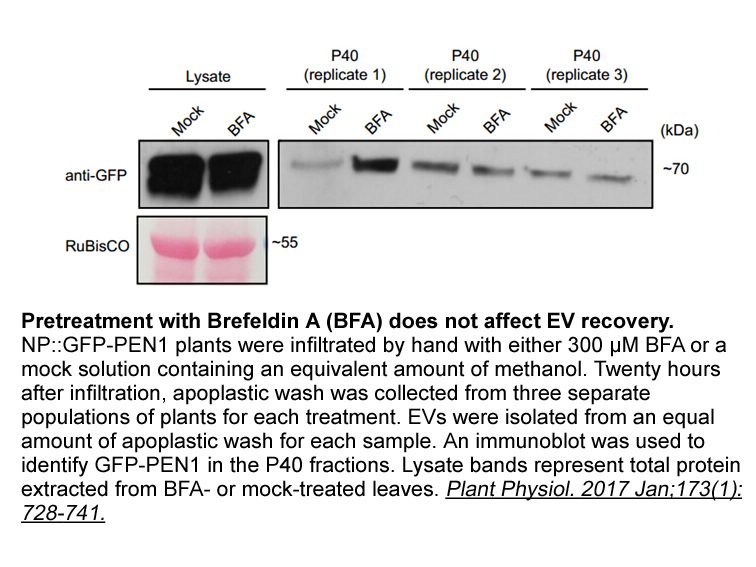
This review aims to examine the literature on chloride 4-ethylphenyl sulfate mg in the context of transplacental transport. After a short overview of the general cellular functions of Cl− channels in epithelia and the molecular classifications of these channels, it will focus on the evidence for th
-
So what can we glean from this illuminative
2021-01-26
So what can we glean from this illuminative foray into how Chk1 and MK2 participate in checkpoint control? First and foremost, this work reveals that Myriocin deficient in the tumor suppressor p53 contain two spatially distinct G2/M phase checkpoint control kinase networks. This provides compelling
-
br Nuclear estrogen receptors Indirect genomic signaling As
2021-01-26
Nuclear estrogen receptors: Indirect genomic signaling As mentioned earlier, the transcription of several genes that do not contain EREs in their promoter regions can also be regulated by estradiol, without direct binding of the estrogen receptors to the DNA. According to the most recent reports,
-
br Introduction Vitis vinifera L
2021-01-25
Introduction Vitis vinifera L. is one of the most worldwide-grown fruit crop and is mostly used in the wine industry (Bouquet, 2011). Domestication and history changed dramatically the biology of this species and today there are thousands of V. vinifera varieties, being many of them closely relat
-
br Acknowledgements br Membrane bound proton translocating i
2021-01-25
Acknowledgements Membrane-bound proton-translocating inorganic pyrophosphatases (H-PPase; EC 3.6.1.1) belong to a recently identified category of proton pumps, distinct from F-, P-, and V-ATPases, which utilize pyrophosphate hydrolysis as the driving force for H movement across biological membr
-
A series of monocarboxylated chalcones e
2021-01-25
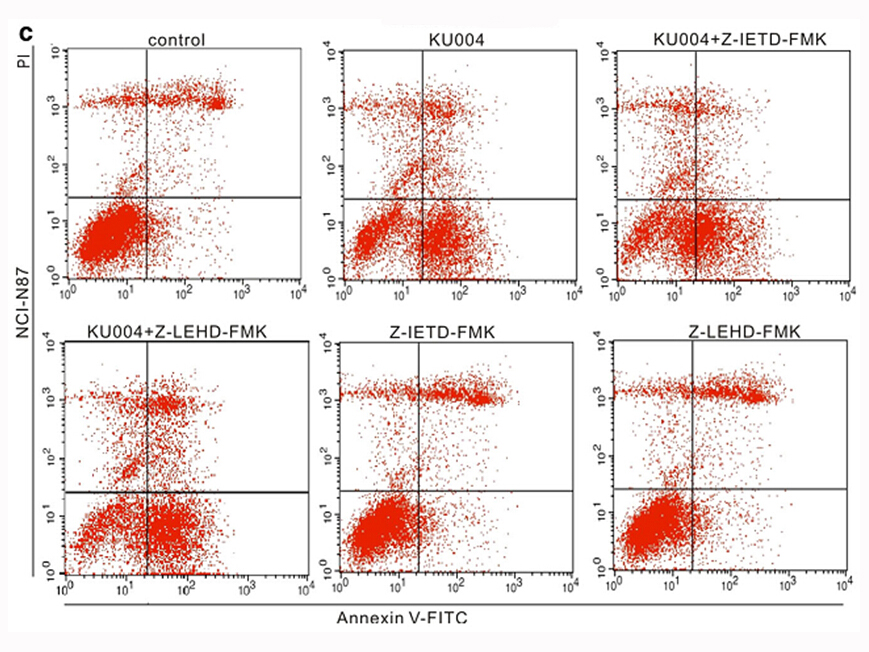
A series of monocarboxylated chalcones (e.g. compounds 7 and 8, Fig. 2A) was previously identified as good CysLT1 antagonists [20], and none of them exhibited CysLT2 antagonistic activities (Supplementary Table S1). This study was consistent with reported result that CysLT2 HC-030031 was not sensit
-
HEK cells stably transfected with CysLT were
2021-01-25
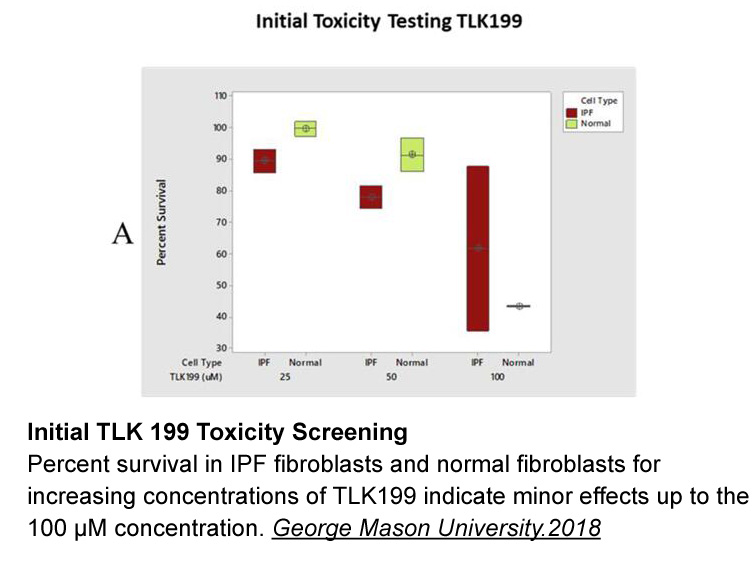
HEK-293 Artemisinine stably transfected with CysLT1 were stimulated with LTD and internalization was studied by confocal microscopy, FACS or cell-surface ELISA. Cells were co-transfected with wildtype and dominant negative (DN) mutants of arrestin and dynamin. Clathrin-mediated endocytosis was inves
-
Introduction Cytochrome P CYP A is the most important enzyme
2021-01-25
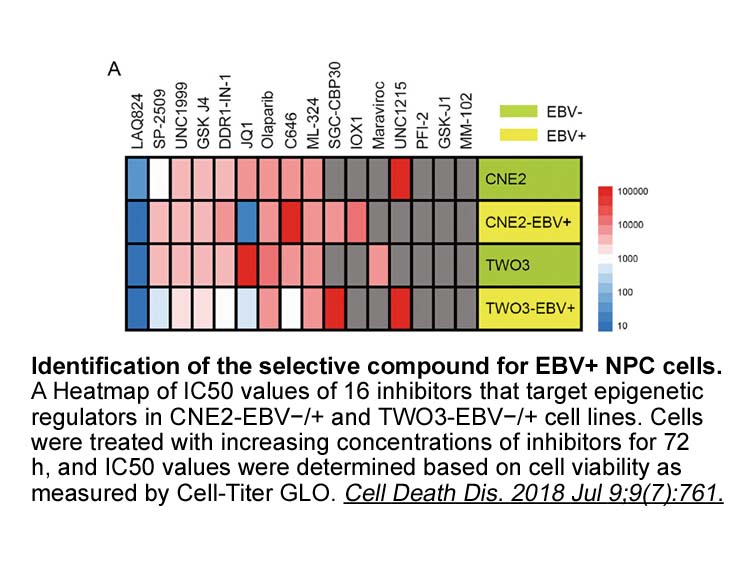
Introduction Cytochrome P450 (CYP)3A is the most important enzyme involved in the metabolism of 30–40% of currently prescribed drugs [1]. The Tanshinone IIA---sulfonic sodium sale level and activity of CYP3A show large intra- and inter-individual variability, which contributes to unpredictable dru
-
br Results br Discussion br Conclusions The present study
2021-01-25

Results Discussion Conclusions The present study demonstrates that CRF1 receptor-deficiency prolongs whereas CRF2 receptor-deficiency shortens the duration of recognition memory deficits induced by morphine discontinuation, unraveling opposite roles for the two known CRF receptor subtypes i
-
EZLink Sulfo-NHS-SS-Biotin Kit Several highly selective COX
2021-01-25

Several highly selective COX-2 inhibitors (coxibs) have been reported and marketed [6], including celecoxib [7] and etoricoxib [8] (Fig. 1). Even though these drugs produce less ulceration than conventional NSAIDs, coxibs still produce significant gastric and cardiovascular side effects due to the d
-
Nevertheless two problems exist in BGCFC
2021-01-25
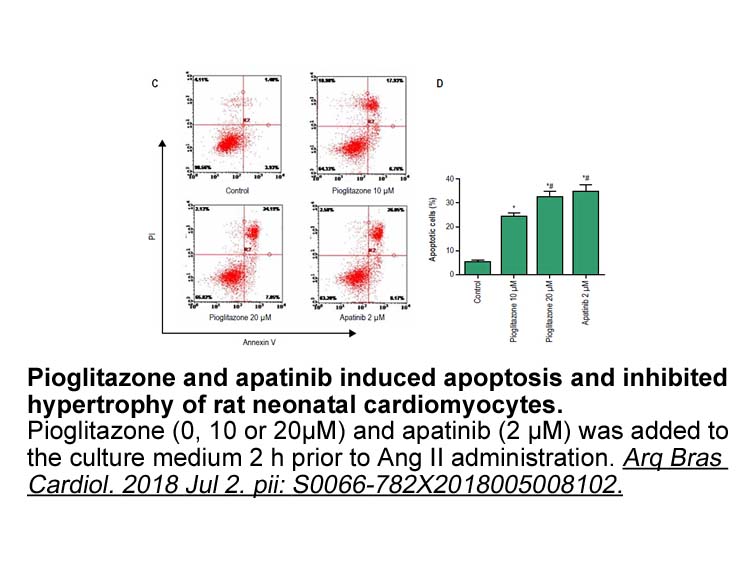
Nevertheless, two problems exist in BGCFC in practice. The first one is that time complexity of the ID assignment algorithm presented in Section 3.1 is O(N!), which means a factorial time complexity. Because it obtains the consecutive IDs by enumerating all permutations of ID 0 to N−1, the total num
-
menin Adding MPA or NETA we found no impact on the
2021-01-25

Adding MPA or NETA we found no impact on the estradiol-induced downregulation of serum-stimulated endothelin synthesis in vitro [40]. Progesterone was also able to inhibit the angiotensin II-induced increase in endothelin production [41]. Several clinical studies on the effect of oral or transdermal
15713 records 722/1048 page Previous Next First page 上5页 721722723724725 下5页 Last page