Archives
- 2026-10
- 2026-09
- 2026-08
- 2026-07
- 2026-06
- 2026-05
- 2026-04
- 2026-03
- 2026-02
- 2026-01
- 2025-12
- 2025-11
- 2025-10
- 2025-09
- 2025-03
- 2025-02
- 2025-01
- 2024-12
- 2024-11
- 2024-10
- 2024-09
- 2024-08
- 2024-07
- 2024-06
- 2024-05
- 2024-04
- 2024-03
- 2024-02
- 2024-01
- 2023-12
- 2023-11
- 2023-10
- 2023-09
- 2023-08
- 2023-07
- 2023-06
- 2023-05
- 2023-04
- 2023-03
- 2023-02
- 2023-01
- 2022-12
- 2022-11
- 2022-10
- 2022-09
- 2022-08
- 2022-07
- 2022-06
- 2022-05
- 2022-04
- 2022-03
- 2022-02
- 2022-01
br Introduction In addition to ATP production an important r
2023-01-31
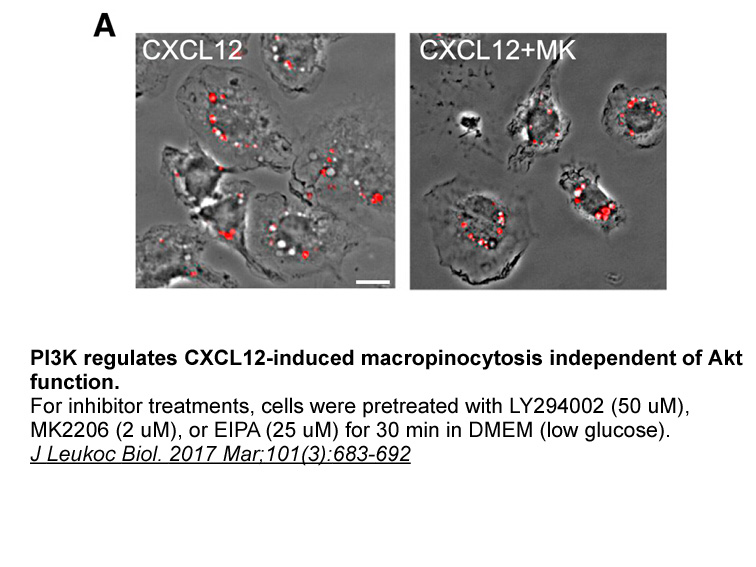
Introduction In addition to ATP production, an important role of mitochondria in the pancreatic beta cell is anaplerosis, which is the net synthesis of citric Biotin-azide cycle intermediates that are exported to the cytosol where they are converted to numerous other metabolites that stimulate an
ATM dependent initiation of radiation induced G M checkpoint
2023-01-31
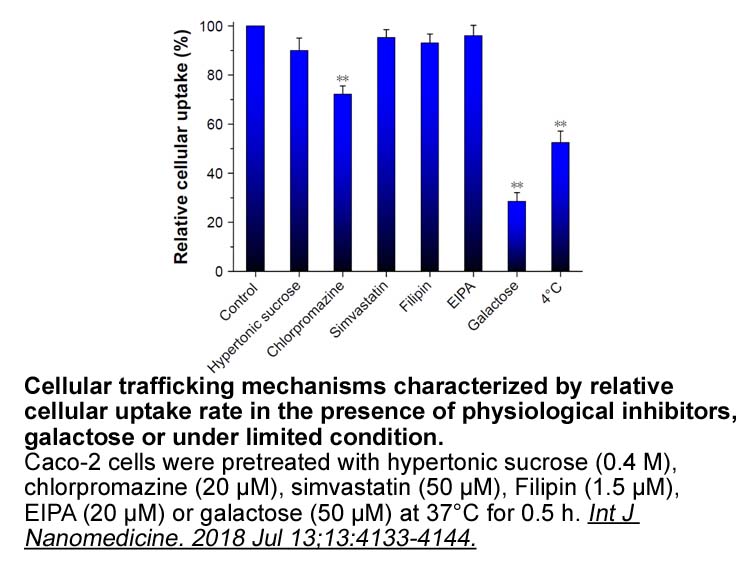
ATM-dependent initiation of radiation-induced G2/M checkpoint arrest is well established [11], [34], [35]. However, the ATR pathway may also be involved [36], [37]. Brown and Baltimore generated Cre/lox-conditional cell lines or Tenovin-6 with a kinase inactive allele of ATR (ATRkd) to evaluate the
The uterine muscle also changes
2023-01-31
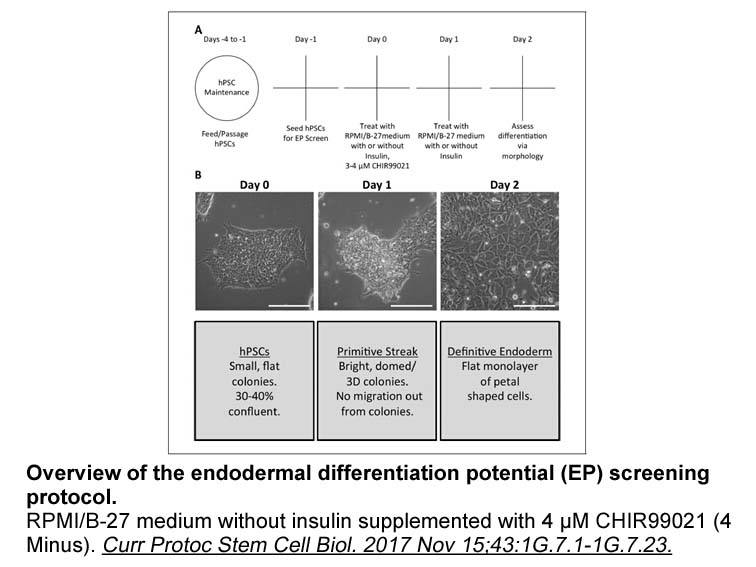
The uterine muscle also changes to meet the demands of pregnancy. Over the course of pregnancy, the myometrium undergoes structural remodeling to accommodate a growing fetus, followed by a functional switch from quiescent to contractile characteristics for parturition. Studies on the mouse model ind
Two critical determinants of receptor
2023-01-31
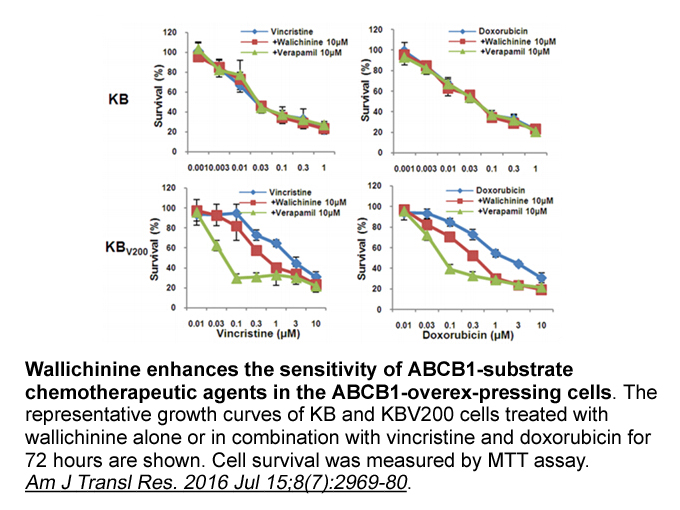
Two critical determinants of receptor trafficking are found within the GABAB1 cytoplasmic tail: the di-leucine internalization signal (EKSRLL) (Margeta-Mitrovic et al., 2000, Restituito et al., 2005) and the ER retention signal (RSRR) (Calver et al., 2001, Margeta-Mitrovic et al., 2000, Pagano et al
Sildenafil mesylate receptor br Material and methods br
2023-01-30

Material and methods Results Discussion The present study demonstrates for the first time that Mino selectively induces apoptosis in Jurkat Sildenafil mesylate receptor via an H2O2 signaling-dependent mechanism. Structurally, Mino is composed of a C10 and C12 phenol group, C12a hydroxyl gr
Recently two distinct small molecule inhibitors of
2023-01-30
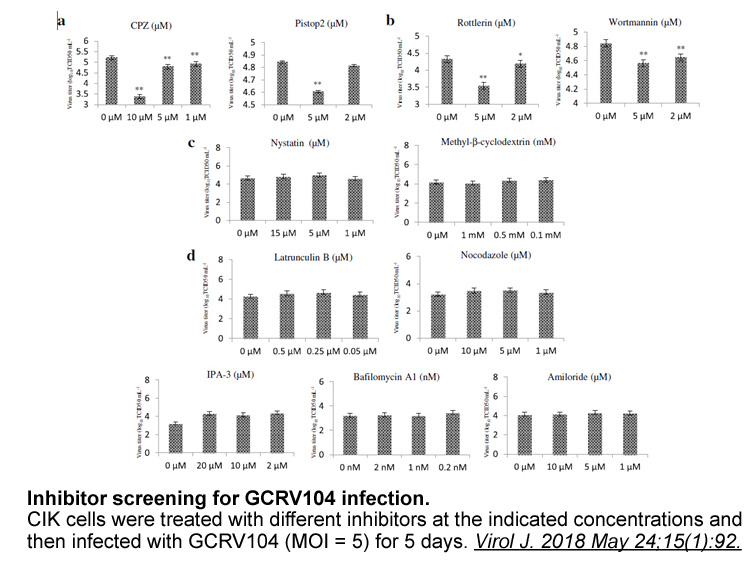
Recently, two distinct small-molecule inhibitors of PHGDH were identified using high-throughput screens, both of which inhibit de novo serine biosynthesis and show selective toxicity to cancer Phos-tag Biotin BTL-104 with high SSP flux [50,51]. The inhibitor NCT-503, which has an IC50 of 2.5μM, re
Salivary amylase activity was not significantly different
2023-01-30
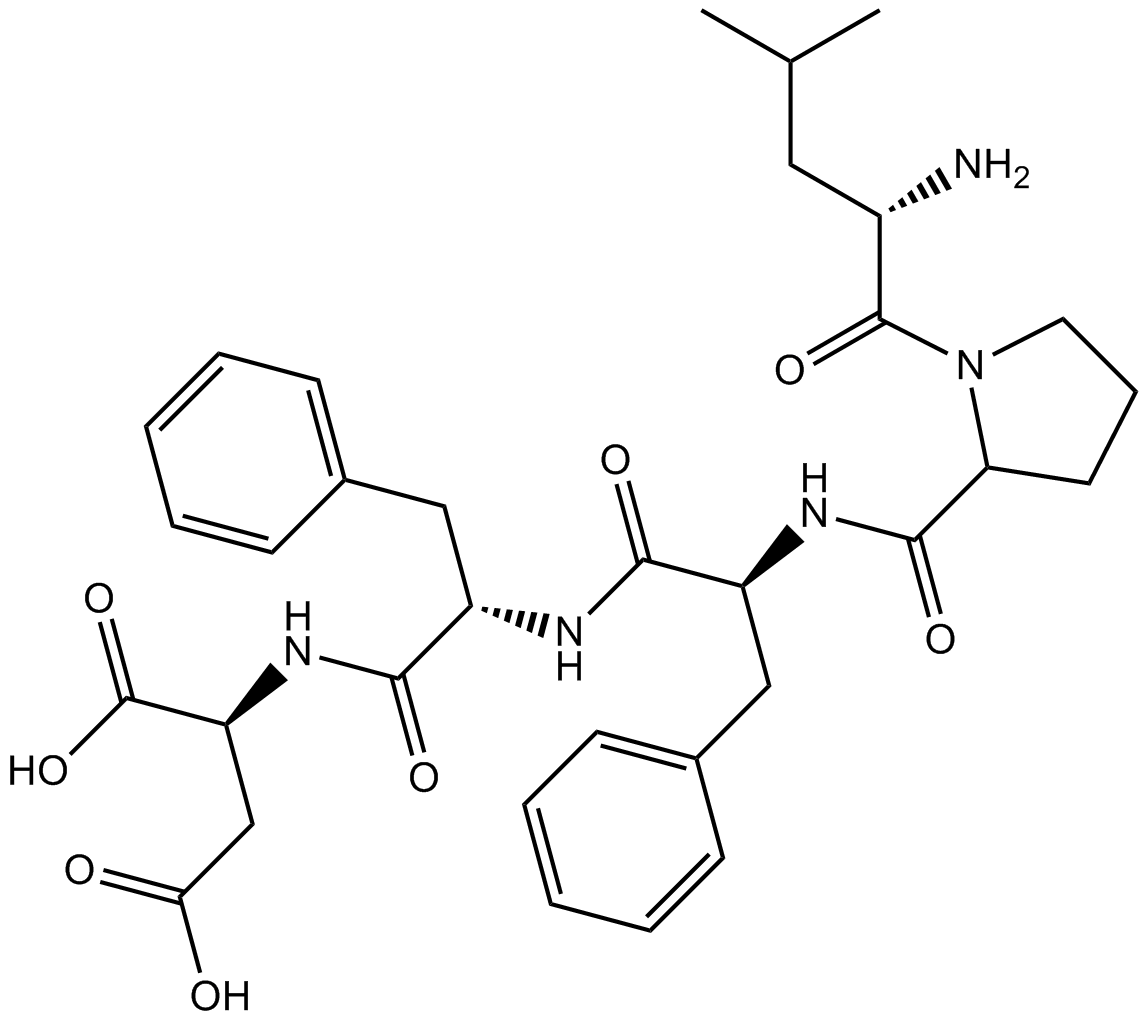
Salivary α-amylase activity was not significantly different between bitches with pyometra and healthy bitches, and there were no significant changes after ovariohysterectomy, similar to chromogranin A (Jitpean et al., 2015). Therefore, it is postulated that the SAM axis is not activated in bitches w
br Acknowledgements This work was supported
2023-01-30
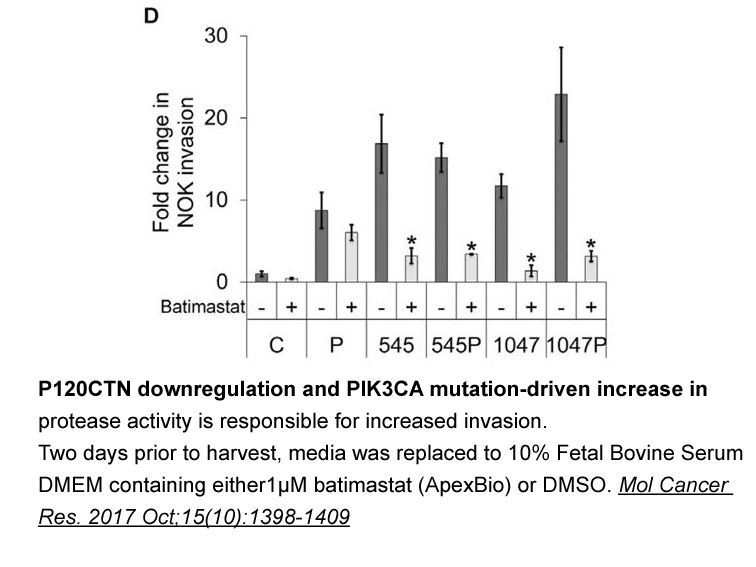
Acknowledgements This work was supported by the National Key Technology Research and Development Program (2012BAD19B01) and General Financial Grant from the China Postdoctoral Science Foundation (2015M581754). Introduction Cough is one of the most important defensive reflex brought into actio
Osteoblasts have been thought to
2023-01-30
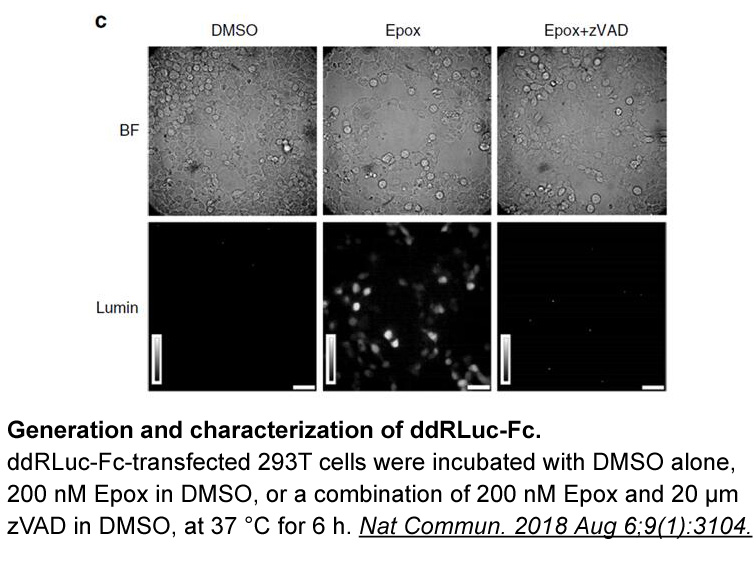
Osteoblasts have been thought to be the major cell type that expresses RANKL (Suda et al., 1999) which is a ligand for osteoprotegerin (OPG) and which functions as a key factor for osteoclast differentiation and activation. Recently, Nakashima and his colleagues (Nakashima et al., 2011) demonstrated
An alternative to the agonist or antagonist potential in
2023-01-30

An alternative to the agonist or antagonist potential in drug discovery is the positive allosteric modulator (PAM) approach, which can augment the normal processes of neurotransmission as opposed to directly replacing or antagonizing them. PAMs are thought to bind to sites that are distinct from the
The obtained results indicate that even when
2023-01-30
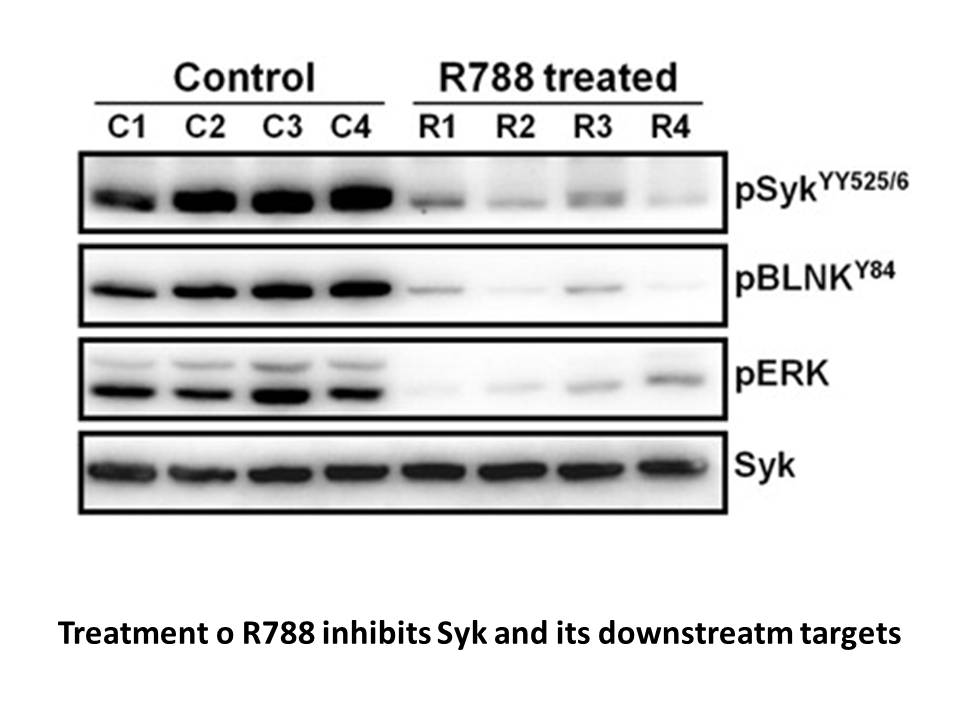
The obtained results indicate that even when the impairment of the same forms of memory are present, amnesia can develop in different ways. Impairment of memory reconsolidation in the conditioned food aversion model through both the serotonin receptor antagonist and the antagonist of NMDA glutamate
Through activation of the CD GOPC pathway attenuated vaccina
2023-01-30
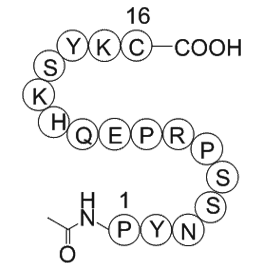
Through activation of the CD46–GOPC pathway, attenuated/vaccinal MeVs rapidly induce a transient phase of autophagy which then diminishes with no signs of negative regulation and precedes a second autophagy phase related to viral protein synthesis [115]. In sharp contrast, virulent MeVs do not inter
Several alterations have been or can be
2023-01-30
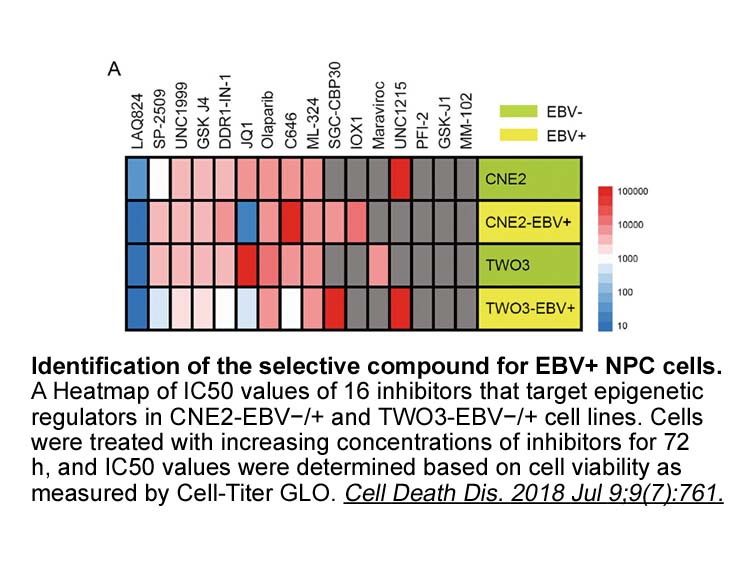
Several alterations have been or can be associated to the decreased tolerance of steatotic liver to I/R injury. Previous studies demonstrated that upregulation of the mitochondrial uncoupling protein-2 (UP2) is strictly related to the increase of I/R injury in steatotic liver [4]. UPR induction is c
VX-702 sale Another major problem leading to implant failure
2023-01-30

Another major problem leading to implant failures is post-implant infections, majorly due to bacteria adhesion [13,36,37]. A significant decrease in bacterial counts (~65–90%) has been observed in HA and/or CNT-based composites reinforced with 2.5–10 wt% nano Ag [13,38], thus, drawing the conclusion
Numerous investigators have shown that RACK has several impo
2023-01-30
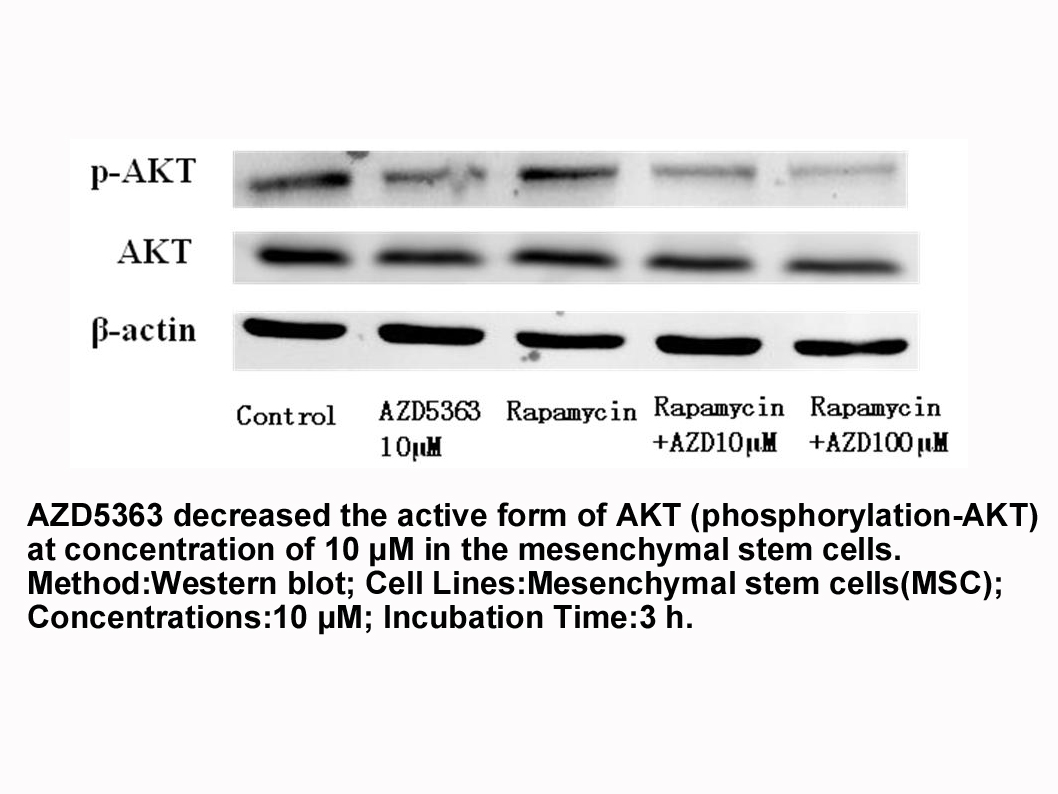
Numerous investigators have shown that RACK1 has several important, possibly related, roles in mRNA splicing and in translation. RACK1 interacts directly with specific components of the 40S ribosomal subunit (specifically, the 18S rRNA and ribosomal proteins rpS16e, rpS17e, and rpS3e [new names: uS9
7937 records 360/530 page Previous Next First page 上5页 356357358359360 下5页 Last page