Archives
- 2026-09
- 2026-08
- 2026-07
- 2026-06
- 2026-05
- 2026-04
- 2026-03
- 2026-02
- 2026-01
- 2025-12
- 2025-11
- 2025-10
- 2025-09
- 2025-03
- 2025-02
- 2025-01
- 2024-12
- 2024-11
- 2024-10
- 2024-09
- 2024-08
- 2024-07
- 2024-06
- 2024-05
- 2024-04
- 2024-03
- 2024-02
- 2024-01
- 2023-12
- 2023-11
- 2023-10
- 2023-09
- 2023-08
- 2023-07
- 2023-06
- 2023-05
- 2023-04
- 2023-03
- 2023-02
- 2023-01
- 2022-12
- 2022-11
- 2022-10
- 2022-09
- 2022-08
- 2022-07
- 2022-06
- 2022-05
- 2022-04
- 2022-03
- 2022-02
- 2022-01
-
The consensus amino acid recognition sequence for p substrat
2023-12-19
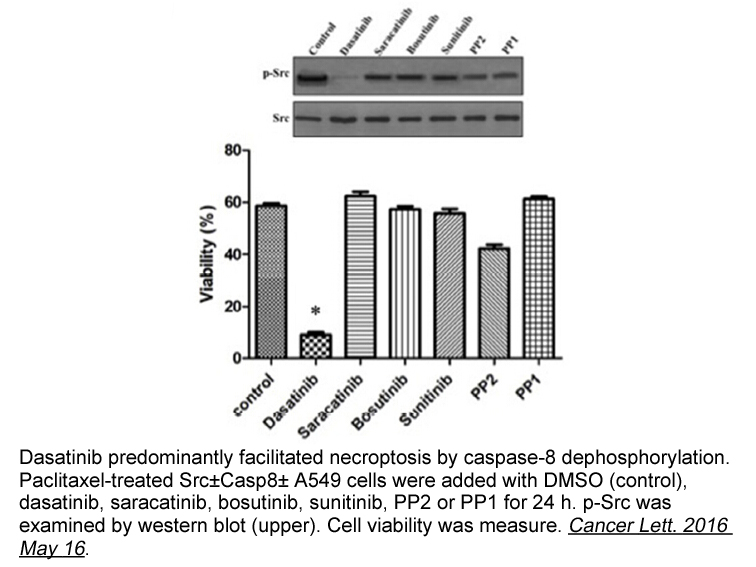
The consensus amino (-)-Lobeline hydrochloride recognition sequence for p38α substrates is (Ser/Thr)Pro (Cuadrado and Nebreda, 2010), typically assisted by upstream docking motifs (Remenyi et al, 2005, Sharrocks et al, 2000). P450c17 has 32 Ser and 25 Thr residues, of which only Thr 341 and Ser 427
-
br Acknowledgement This work was funded by NIH NINDS
2023-12-19
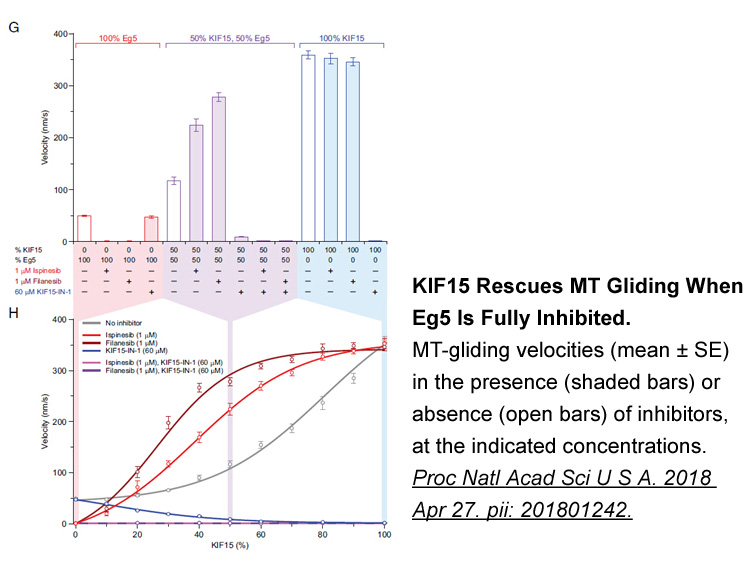
Acknowledgement This work was funded by NIH/NINDS grant number NS080967 to C. Waites. Introduction Macro-autophagy also called autophagy is a conserved pathway for the lysosomal degradation and recycling of intracellular materials. It is instrumental for the homeostasis of cells and tissues a
-
and LO are members of the lipoxygenase family
2023-12-19
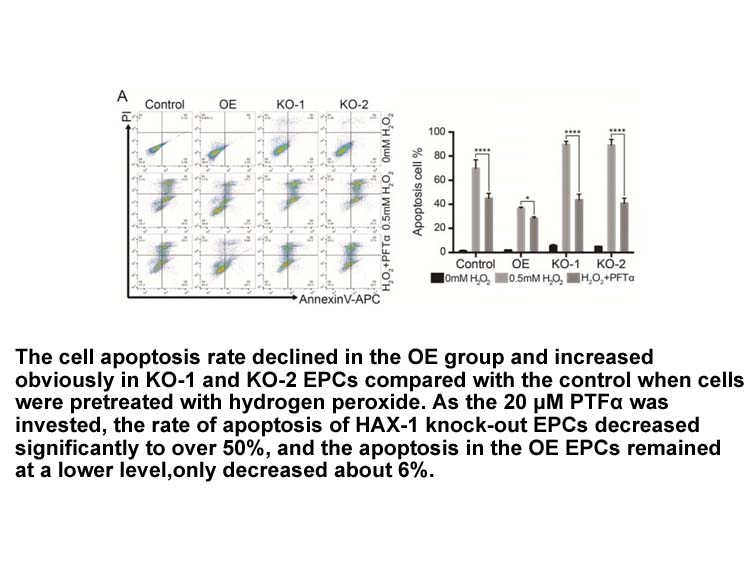
5- and 12/15-LO are members of the lipoxygenase family that convert arachidonic Varenicline Tartrate receptor into lipid mediators such as leukotriene B4 (LTB) and 12()-hydroxyeicosatetraenoic acid (HETE) and 15()-HETE, respectively. Evidence from several in vitro and in vivo studies has shown that
-
br Synthetic lethal approaches In addition to
2023-12-19
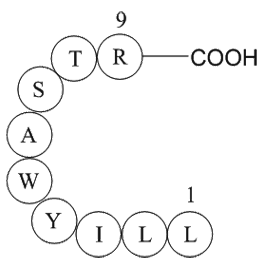
Synthetic lethal approaches In addition to the potential utility of ATM and ATR as chemo- or radiosensitisers, recent studies suggest that such compounds may have single agent activity in certain subsets of patients through induction of synthetic lethality. Two genes are considered synthetically
-
To the best of our knowledge
2023-12-19
To the best of our knowledge, this is the first study documenting the SCC modulatory effect at central and kidney level on the shift in the vasoconstrictor-vasodilator ratio of mRNA expression of angiotensin receptors toward vasoconstriction in XY-SCC and/or vasodilation in XX-SCC mice. From these r
-
Testosterone can be converted into estrogens by aromatase ac
2023-12-19
Testosterone can be converted into estrogens by aromatase action. Aromatase is encoded by CYP19, belongs to cytochrome P450 superfamily, and synthesizes estradiol (E2) and estrone (E1) from testosterone and androstenedione respectively (Fig. 1). Aromatase is expressed in the ORS of anagen hair folli
-
In receptor binding terminology both
2023-12-19
In receptor binding terminology, both receptor and acceptor contain a receptive site for the ligand, although only the receptor induces a biological function. Moreover, the acceptor lacks an endogenous ligand. Many proteins have been described as receptors for toxic Aβ assemblies, implying a designe
-
Since HETEs and lipoxins the downstream products of LOX
2023-12-19
Since HETEs and lipoxins, the downstream products of 12/15-LOX from AA, may alter cellular proliferation and apoptosis,31, 32 and possibly explain the increase of tumour progression and metastasis. However, we here found that HETEs did not affect the proliferation of melanoma in vitro. This may part
-
Here we have used transcriptome analysis of
2023-12-18
Here, we have used transcriptome analysis of primary neonatal rat cardiomyocytes treated with either the ETR agonist endothelin-1 or the α1-AR agonist phenylephrine to assess differences in their respective signalling networks, and further probed these differences using a panel of fluorescent resona
-
br Funding br Introduction l Dihydroxyphenylalanine l DOPA
2023-12-18
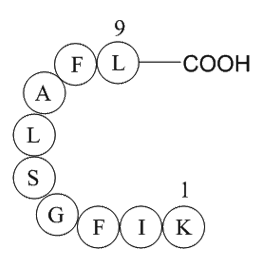
Funding Introduction l-3,4-Dihydroxyphenylalanine (l-DOPA) is the gold-standard treatment for the motor symptoms of Parkinson's disease (PD); however, its chronic use induces severe motor complications that eventually limit its long-term efficacy (Bastide et al., 2015). The most disabling side
-
Sal 003 australia In humans the major LOs are subdivided by
2023-12-18
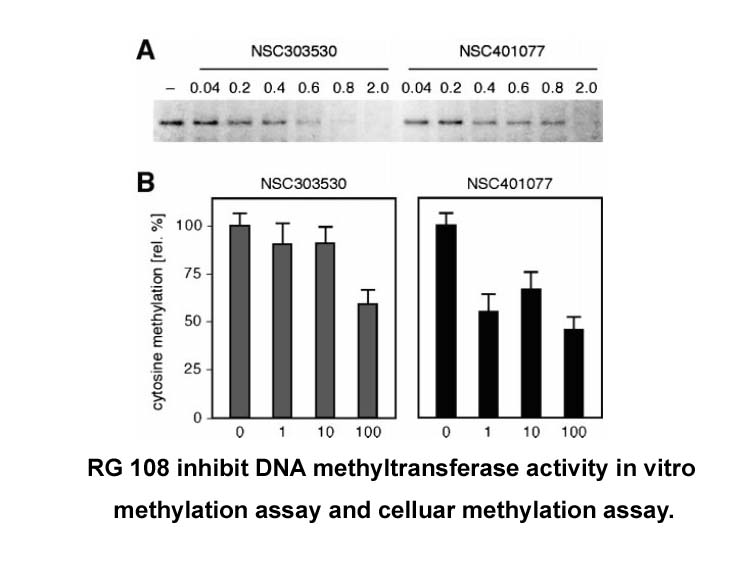
In humans, the major LOs are subdivided by their positional specificity into 5-(ALOX5), 12-(ALOX12) and 15-LO (ALOX15) (Kuhn et al., 2015). 5-LO is the key enzyme for LT biosynthesis and mainly found in mature cells from myeloid origin, including neutrophil, eosinophil and basophil granulocytes, mon
-
Whereas more research is needed
2023-12-18
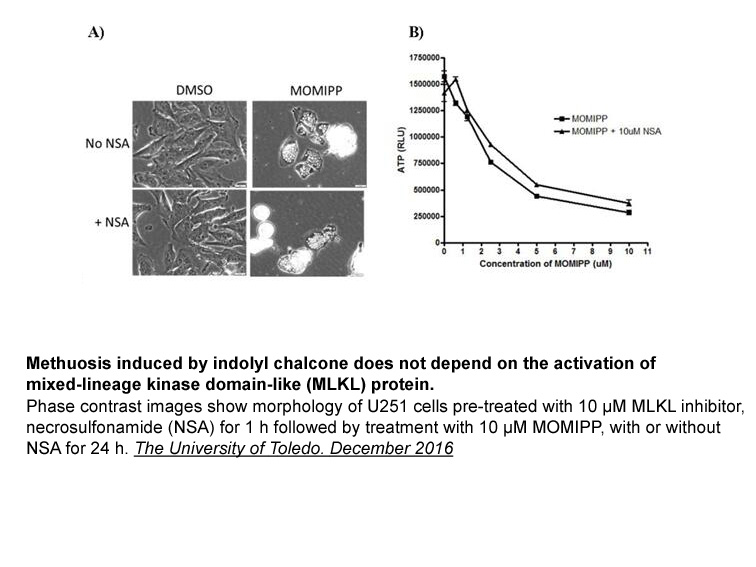
Whereas more research is needed to identify the precise mechanism by which FIN exerts its antidyskinetic effect, the Moniliformin sodium salt that it can negatively modulate dopaminergic transmission is also supported by our previous findings. Indeed, we have previously shown that FIN completely re
-
Many metalloenzyme inhibitors consist of
2023-12-18
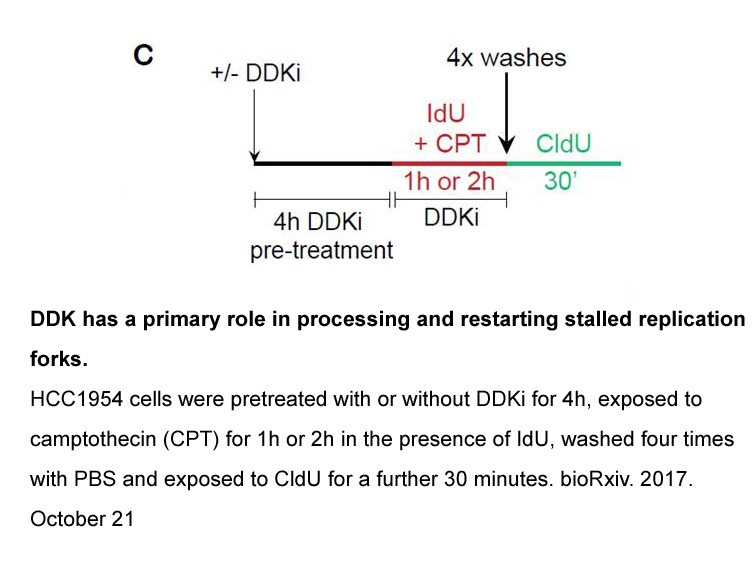
Many metalloenzyme inhibitors consist of two chemical components: the MBG, the portion of the inhibitor designed to bind to the metal, and the scaffold, the portion of the inhibitor recognized by the amino BTZ043 Racemate residues that form the substrate-binding site of the metalloenzyme. The MGB i
-
The use of FTAI can
2023-12-18
The use of FTAI can overcome the negative impact of low estrus detection efficiency, but implies effective synchrony of luteal function as well as synchronous growth and ovulation of a viable NHS-LC-Biotin follicle. Pregnancy rates obtained with FTAI may be comparable or better than those obtained
-
puromycin selection concentration Recently whey products hav
2023-12-18
Recently, whey products have been added to nutritional beverages to boost their antioxidant capacity. Supplementation of a lemon drink with 1% WP hydrolyzed by subtilisin increased the antioxidant activity of the beverage from 0.75 to 7.79 mmol of TE/L (Athira et al., 2014). In addition, a flavored
7867 records 249/525 page Previous Next First page 上5页 246247248249250 下5页 Last page